Real-time Incident Mapping
Reports are centralized into one operational picture for faster triage and better field coordination.
 Xlusif
A modern platform for collecting, organizing, and acting on community crisis reports across channels.
12
Reports
3
Active
9
Resolved
CRISIS RESPONSE PLATFORM
Reports are centralized into one operational picture for faster triage and better field coordination.
Collect crisis reports from mobile, Telegram, and WhatsApp while keeping submissions consistent.
Designed for unstable networks with practical workflows that prioritize report delivery first.
Reports are automatically categorized, geocoded, and linked to related incidents — reducing manual triage overhead.
In the field
See how responders capture and share information on the go.
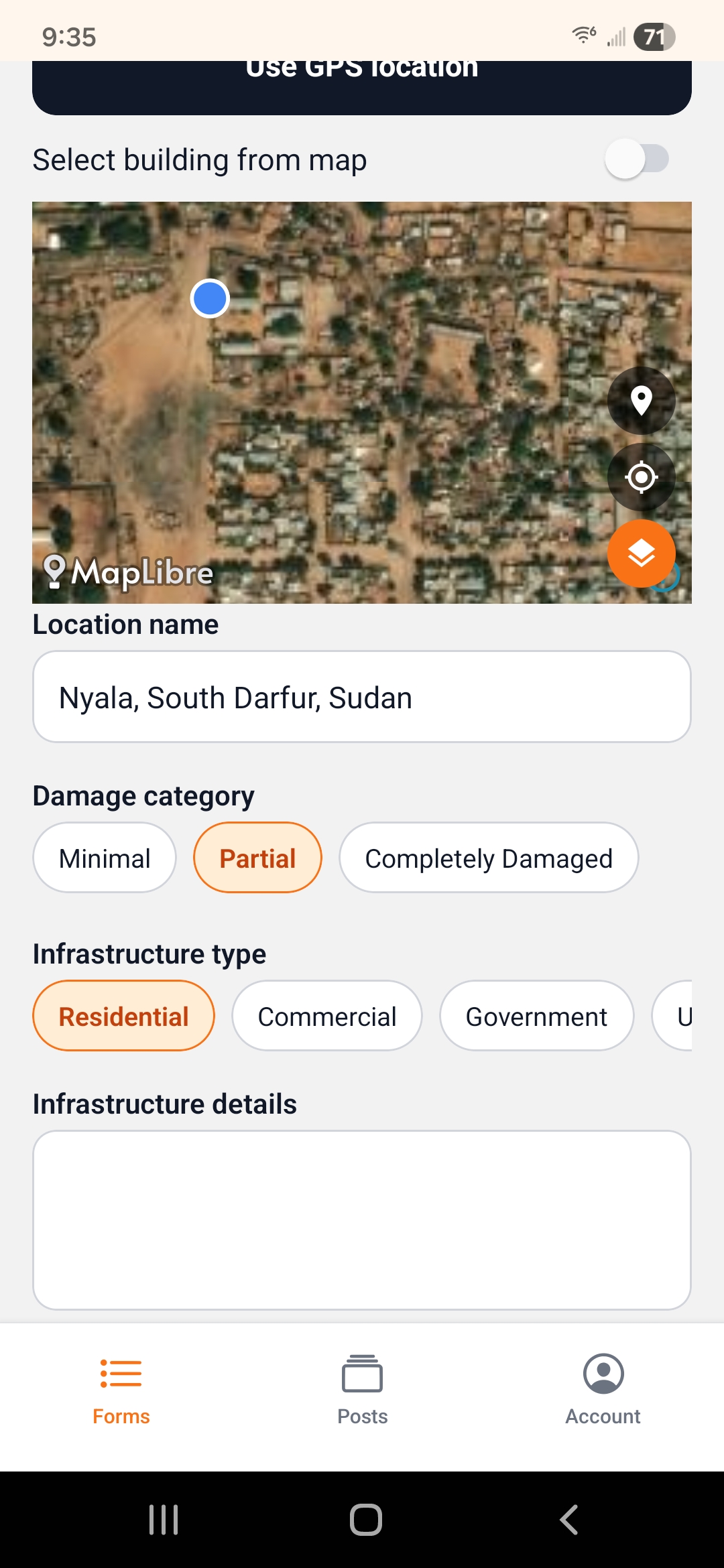
Pin your precise location on the map with satellite imagery.
CRISIS RESPONSE PLATFORM
Community members share crisis information through mobile, Telegram, or WhatsApp — with text, photos, or audio.
Each report is classified, geocoded, and intelligently linked to existing incidents by the AI pipeline.
Emergency coordinators access a live operational dashboard to prioritize, assign, and track every incident.
Watch how Xlusif collects, analyzes, and surfaces crisis intelligence in real time.
CRISIS RESPONSE PLATFORM
Explore the components that power Xlusif — from field channels to AI analysis and observability.
CRISIS RESPONSE PLATFORM
LangGraph-based node graphs that route incoming data through validation, semantic embedding, and incident matching. Click any node to learn what it does.
Triggered when a post is created or re-queued after media upload. Validates required fields, generates a semantic embedding, matches or creates an incident, then patches the post with its result.
analyzer/src/pipeline/graphs/post_graph.pyCRISIS RESPONSE PLATFORM
Posts flow in from users, the analyzer clusters them into incidents, and admins group incidents into events.
Community members can report through the channel they use most.